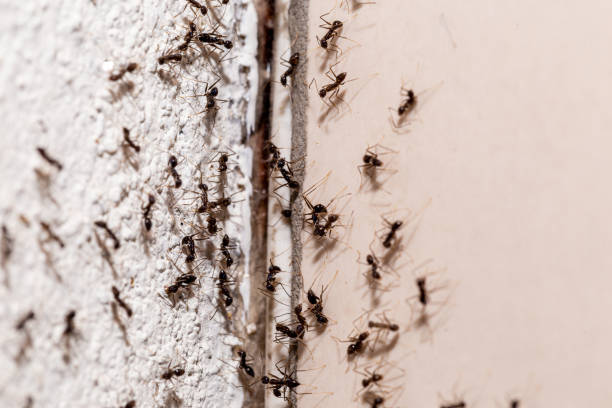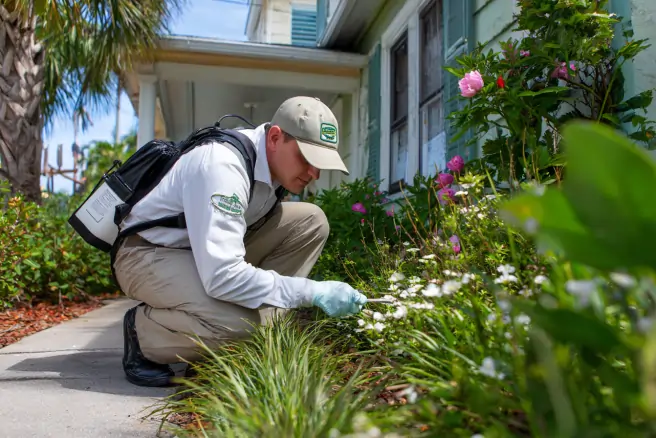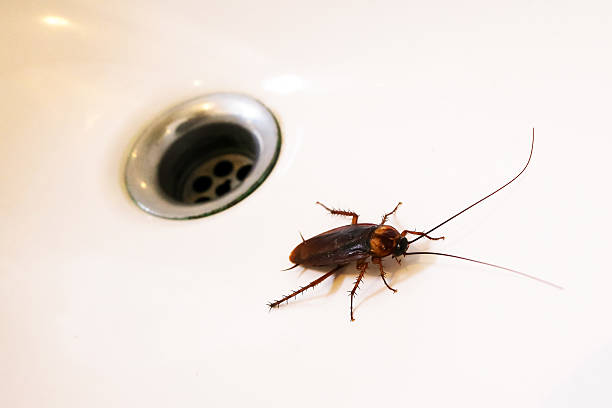
Cockroaches are among the most resilient pests, capable of surviving in various environments and posing serious risks to your health and home. Effective cockroach control requires a combination of preventive measures, safe extermination methods, and ongoing management strategies. Here’s your ultimate guide to addressing this common household pest.
Identifying the Problem: Understanding Cockroach Behavior
- Nocturnal Activity: Cockroaches are most active at night and prefer dark, moist areas.
- Diet: They are omnivorous, feeding on food scraps, grease, paper products, and even glue or soap.
- Entry Points: Cracks in walls, gaps around windows/doors, drains, or pipes can serve as access points.
Knowing these factors can help you target their hiding places more effectively.
Preventive Measures for Cockroach Infestations
- Wipe down kitchen counters after meals.
- Regularly empty trash bins with tight-fitting lids.
- Vacuum carpets and mop floors frequently.
- Use caulk or weatherstripping around cracks, doors, and windows.
- Repair leaks or faulty plumbing that create moist environments ideal for roach colonies.
- Keep food in airtight containers.
- Avoid leaving pet food out overnight.
- Remove stacks of cardboard boxes or newspapers where cockroaches could hide.
- Declutter spaces such as basements or storage rooms.
Safe Methods for Eradicating Cockroaches
- Use Natural Repellents: Diatomaceous earth or boric acid can be sprinkled near entry points as a low-toxicity option.
- Baits & Traps: Commercial bait stations attract cockroaches while poisoning them gradually.
- Gel Insecticides: Apply these in cracks/crevices where they typically travel but ensure children/pets cannot access treated areas.
| Method | Pros | Cons |
| Natural Repellents | Low toxicity; eco-friendly | Slower results |
| Bait Stations | Easy to use; targets hidden roaches | May require multiple placements |
| Gel Insecticides | Effective in small spaces | Potential residue |
Integrated Pest Management (IPM) Approach
- Combine sanitation practices with targeted pest treatments.
- Monitor for activity using sticky traps placed under sinks or near appliances.
- Rotate treatment methods periodically to prevent resistance-building among pests.
Effective cockroach control requires consistent effort and careful planning—but by combining preventive steps with safe eradication techniques like those outlined above, you can safeguard your home from these unwelcome invaders responsibly and efficiently.
Florida Pest Control: Understanding the Health Risks Cockroaches Pose to Your Home
Cockroaches are not just unpleasant to encounter; they pose significant health risks that can impact homeowners and their families. Understanding the dangers associated with cockroach infestations is crucial for maintaining a safe and healthy living environment.
Common Health Risks Associated with Cockroaches
- Cockroaches can spread bacteria like Salmonella, Escherichia coli (E. coli), and Staphylococcus aureus.
- These bacteria may lead to food poisoning, diarrhea, or gastrointestinal infections when transmitted via contaminated surfaces or food.
- Cockroach droppings, saliva, and shed body parts contain proteins that can trigger allergies in sensitive individuals.
- Symptoms include sneezing, watery eyes, nasal congestion, skin rashes, and asthma attacks.
- The allergens produced by cockroaches are particularly harmful to individuals with asthma.
- Prolonged exposure can worsen symptoms or even cause new cases of asthma in children.
- In some cases, cockroaches have been found carrying parasitic worms such as pinworms or hookworms. These parasites can infect humans through accidental contact or ingestion.
How Cockroach Infestations Contribute to the Spread of Diseases
Cockroaches thrive in unsanitary environments like garbage disposals, drains, and sewage systems where they come into contact with various pathogens. As they move across surfaces in your home—such as kitchen counters or dining areas—they deposit feces and microbes that can contaminate food sources.
| Pathogen/Allergen | Potential Illness/Reaction | Source of Contamination |
| Salmonella | Foodborne Illness | Droppings on food/storage areas |
| Proteins in Saliva/Body | Allergies & Asthma | Contact with shed skin/dust particles |
| Parasitic Worms | Digestive Issues | Direct or indirect ingestion |
Vulnerable Groups at Higher Risk
- Children: Younger children often have underdeveloped immune systems and are more likely to be affected by allergens introduced by cockroach infestations.
- Elderly Individuals: Aging adults may struggle with weakened immunity or preexisting respiratory issues.
- People with Respiratory Conditions: Those suffering from chronic respiratory illnesses like asthma are at heightened risk for severe allergic reactions due to cockroach exposure.
Preventive Measures
- Keep all kitchen surfaces clean and free of food debris.
- Store food securely in airtight containers.
- Seal cracks and crevices around doors, windows, pipes, or vents.
- Dispose of garbage regularly using sealed trash bags.
- Address leaks promptly as cockroaches depend on moisture for survival.
By understanding these health risks and taking proactive measures against infestation threats, you protect your household from potentially serious illnesses caused by these pests. Regular monitoring combined with professional pest control services offers an effective way to ensure long-term safety from cockroach-related dangers while maintaining a hygienic environment at home.
Exterminators in Florida: Protecting Your Home from Cockroaches and Health Risks
Cockroaches are more than just unsightly pests. They pose significant health risks that can affect the well-being of your household. Understanding these dangers is crucial for maintaining a safe and healthy living environment. This section explores the potential health issues caused by cockroach infestations and offers actionable insights into mitigating these risks.
https://palmbaypestcontrolflusa.weebly.com/
Allergies and Asthma Triggers
- Skin reactions, such as rashes or hives.
- Respiratory symptoms, including sneezing, coughing, and nasal congestion.
- Asthma attacks, particularly in children or individuals with pre-existing respiratory conditions.
According to studies, exposure to cockroach allergens is one of the leading triggers of asthma symptoms in urban areas.
Spread of Bacteria and Pathogens
Cockroaches are known carriers of various bacteria, pathogens, and parasites. As they navigate through garbage, sewage systems, or decaying matter before entering homes, they pick up harmful microorganisms that can contaminate surfaces and food supplies.
| Bacteria | Associated Illnesses |
| Salmonella spp. | Food poisoning (diarrhea, fever) |
| Escherichia coli (E. coli) | Gastrointestinal infections |
| Staphylococcus aureus | Skin infections and respiratory illnesses |
If ingested through contaminated food or utensils, these pathogens can lead to serious illnesses such as foodborne diseases.
Risk of Food Contamination
- They defecate on surfaces.
- They regurgitate partially digested materials during feeding.
- Their bodies leave behind a trail of microbes.
This behavior increases the risk of contamination in your household’s food supply. Consuming contaminated food may result in symptoms like stomach cramps, vomiting, diarrhea, or more severe gastrointestinal infections.
Parasite Transmission
In addition to bacterial threats, cockroaches may carry eggs from parasitic worms like tapeworms or roundworms on their bodies. While this is less common than bacterial transmission, it still poses a danger if cockroach-contaminated items come into contact with human hands or consumed foods.
Effective Measures to Address Health Risks
- Maintain hygiene: Clean floors regularly to eliminate crumbs and spills that attract pests.
- Seal entry points: Use caulk or weatherstripping to block cracks where cockroaches enter your home.
- Store food securely: Use airtight containers for dry goods and refrigerate perishables promptly.
- Dispose of waste properly: Empty trash bins frequently and ensure proper disposal methods are followed.
- Consider professional pest control services: If an infestation persists despite DIY efforts, licensed professionals can apply targeted treatment plans designed for long-term prevention.
By understanding the dangers posed by cockroaches—and taking proactive steps against infestations—you protect not just your home but also your family’s health from preventable threats associated with these resilient pests.
DIY vs. Professional Pest Removal Services in Florida: Key Reasons to Consider Expert Help
When faced with a cockroach infestation, deciding between DIY methods and hiring professional pest control services can be challenging. Both approaches come with their own pros and cons, but for long-term effectiveness and safety, professional intervention often proves to be superior. Here’s a breakdown of why expert help might be the right choice for your situation.
Limitations of DIY Cockroach Removal
- Over-the-counter products like sprays, baits, or traps often fail to address the root cause of infestations.
- Cockroaches develop resistance to certain chemicals over time, reducing the effectiveness of these products drastically.
- In most cases, home remedies only target visible roaches but fail to eliminate eggs and hidden colonies.
- DIY treatment is typically superficial and misses hard-to-reach nesting areas like inside walls or under appliances.
- Mishandling pesticides can pose risks to humans and pets due to improper application or lack of protective equipment.
- Many chemical treatments available for home use are not environmentally friendly.
Advantages of Professional Pest Control Services
Professional pest control experts bring experience, knowledge, and specialized tools that ensure effective cockroach eradication while promoting safety.
- Experts conduct a thorough property inspection to identify the extent of infestation and locate breeding grounds.
- Based on their findings, they tailor a pest control plan specific to your home’s needs rather than using one-size-fits-all treatments.
- Professionals have access to industry-grade pesticides that are more potent yet safer than store-bought options.
- They use integrated pest management (IPM) approaches that combine chemical treatments with other preventive measures such as sealing entry points or removing attractants.
- Licensed exterminators focus on eradicating not only active pests but also eggs and larvae through multiple methods such as baiting systems or targeted sprays.
- Many companies offer warranties or follow-up visits to ensure re-infestation does not occur.
- Rather than spending countless hours experimenting with ineffective DIY solutions, professionals handle everything efficiently for you.
- This option minimizes disruption in your day-to-day life by resolving infestations quicker.
Comparing Costs: DIY vs Professional
| Aspect | DIY Approach | Professional Pest Control |
| Upfront Costs | Lower (store-bought products) | Higher (service fees) |
| Long-Term Costs | Higher due to recurring infestations | Lower—covers prevention as well |
| Effectiveness | Limited | Comprehensive |
| Safety | Risky if handled incorrectly | Safer with expert handling |
When Should You Consider Calling Professionals?
- Persistent sightings despite repeated treatments.
- Presence of cockroach droppings in multiple areas.
- Unpleasant odors associated with severe infestations.
- Allergy symptoms like sneezing or skin irritation caused by cockroach allergens.
Hiring professional pest control services ensures peace of mind by addressing the problem at its source while protecting your health and property from further damage.
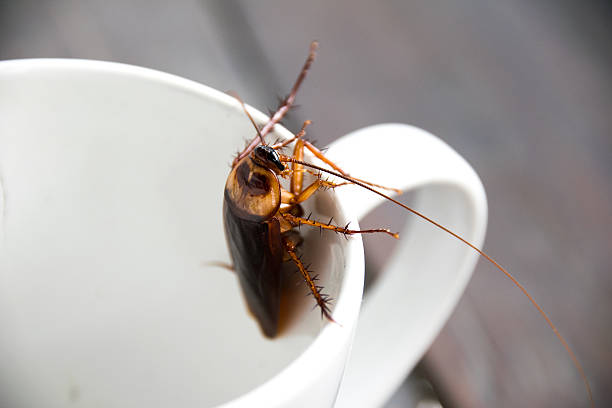
Effective Florida Pest Control Service with Customized Treatment Plans for Long-Term Results
A one-size-fits-all approach rarely works when it comes to pest control, especially for dealing with persistent pests like cockroaches. Customized pest control treatment plans are essential to ensure long-term effectiveness by tailoring the strategy to your specific pest problem, home environment, and long-term goals. Here’s a comprehensive look at how personalized solutions make a difference.
Benefits of Customized Pest Control Plans
- Every infestation is different, as pests may vary in species, severity of infestation, and preferred habitats. Customized plans identify specific pest types and target them effectively.
- Tailored treatments minimize unnecessary use of chemicals by focusing on areas where pests are most active rather than applying blanket coverage.
- This approach is safer for families with children or pets.
- A customized plan is dynamic—it can adapt over time depending on how the infestation develops or recurs.
- Regular monitoring ensures that the treatment evolves with changing circumstances.
- Preventing future infestations requires addressing underlying causes such as entry points or environmental factors like humidity.
- Professionals tailor prevention strategies such as sealing cracks, optimizing ventilation, and setting perimeter traps based on your unique property layout.
Key Components of an Effective Plan
- Inspection and Assessment
A thorough inspection identifies the exact location of infestations as well as conditions that attract pests (e.g., moisture build-up or food residue). - Integrated Pest Management (IPM)
IPM combines various control methods like biological measures, habitat modification, physical barriers, and chemical treatments for safe yet comprehensive pest eradication. - Regular Monitoring
Continuous assessment helps track progress and determine whether adjustments are needed over time. - Education for Homeowners
Teaching homeowners about best practices such as proper sanitation can complement professional efforts for consistent results.
Why Work With Professionals?
- Access to advanced tools: Professionals use high-grade equipment and eco-friendly products unavailable over-the-counter.
- Experience in identifying hidden infestations: Pests like cockroaches often hide in hard-to-reach areas that professionals are trained to locate.
- Time efficiency: Customized plans save time by providing fast relief while laying groundwork for long-term protection.
By investing in a carefully designed treatment plan tailored to your specific needs, you can safeguard your home from recurring infestations while ensuring the health and safety of everyone in it.
The Long-Term Benefits of Professional Pest Removal Services
Choosing professional pest control services can offer numerous advantages that extend beyond merely addressing immediate infestations. By leveraging the expertise and resources of a trained pest control provider, homeowners and business owners can enjoy long-term benefits that ensure a safer, cleaner, and pest-free environment. Below, we explore the key long-term advantages of hiring professional pest control services.
1. Effective Identification and Targeted Treatment
Professional pest control specialists are trained to identify specific pest species and the underlying causes of infestations. This enables them to apply targeted treatments tailored to effectively eliminate pests while minimizing risks to your home or workplace.
- Expert Identification: Professionals can distinguish different species (e.g., German cockroaches vs. American cockroaches) requiring unique treatment approaches.
- Customized Solutions: Treatments are tailored to address specific problems rather than using generic solutions that may have limited efficacy.
2. Prevention of Recurring Infestations
One of the key benefits of professional services is their focus on long-term prevention strategies rather than temporary fixes.
- Sealing Entry Points: Experts identify and seal cracks, crevices, and other entry points pests use to invade your property.
Recognizing the Importance of Early Detection in Preventing Pest Infestations
Early detection plays a vital role in managing and preventing pest infestations. By identifying potential issues before they escalate, homeowners and businesses can save time, money, and resources while ensuring a healthier living or working environment. Below, we explore the importance of early detection and provide actionable steps to help you stay ahead of pest problems.
Why Early Detection is Critical
- Minimized Damage: Many pests cause structural damage to buildings or harm to furniture once their populations grow. Early intervention mitigates risks to property.
- Cost Savings: Addressing infestations in their early stages requires fewer resources compared to dealing with a full-blown problem.
- Health Protection: Pests are carriers of diseases. Detecting their presence early reduces potential exposure to allergens, bacteria, or other health hazards.
- Easier Control: An infestation at its inception is easier to manage through targeted methods.
Key Signs Indicating an Infestation
- Unusual Noises: Scratching sounds from walls or floors may indicate rodents or other pests.
- Droppings: Look for fecal matter from insects or rodents on countertops, floors, or near food sources.
- Physical Damage: Chewed wires, gnawed woodwork, or holes in walls are strong indicators of pests such as rats or termites.
- Unpleasant Odors: Strong musty smells could point toward cockroach infestations or deceased pests.
- Tracks and Smudges: Rodents often leave grease marks along walls due to repeated movement.
Steps for Effective Early Detection
- Conduct regular inspections in areas prone to pests (kitchens, basements, attics).
- Seal cracks and gaps in walls and foundations that could allow entry points for insects or rodents.
- Store food items securely in airtight containers to prevent attracting pests.
- Monitor damp areas like bathrooms and basements where moisture fosters pest breeding grounds.
Inspection Checklist for Common Areas
| Area | Signs to Check | Tools Required |
| Kitchen & Pantry | Food crumbs, droppings near cabinets | Flashlight |
| Attic | Nesting materials like shredded paper | Ladder |
| Basement | Mold growth (indicates moisture), insect activity | Moisture meter |
| Exterior Walls & Doors | Cracks/gaps along foundation | Caulk/sealant |
Professional Inspections: An Added Layer of Protection
- Specialists use advanced tools like thermal imaging cameras and moisture meters for detecting hidden nests.
- They offer expert advice on preventive measures tailored to your specific property needs.
By combining vigilance with professional expertise when necessary, you can effectively protect your space from escalating pest infestations through timely detection and action.
How Professional Expertise Can Transform Your Approach to Pest Control
Comprehensive Pest Identification
Pest control experts are trained to accurately identify the type of pest causing issues, which is crucial for determining the most effective treatment strategy. Misidentifying pests can lead to wasted time and resources on ineffective treatments.
Key benefits of professional identification include:
– Correctly distinguishing between similar-looking pests (e.g., ants vs termites).
– Identifying specific nesting or breeding areas.
– Understanding seasonal patterns that may influence infestation cycles.
Tailored Treatment Plans
Unlike generic DIY solutions, professionals develop customized treatment plans based on your unique situation. These plans consider factors such as the severity of the infestation, property layout, and environmental risks.
A typical professional treatment plan may include:
– Initial Assessment: A thorough inspection of your property to pinpoint entry points, infestation levels, and potential damage.
– Targeted Solutions: Selection of pesticides or non-toxic alternatives based on safety requirements and effectiveness against specific pests.
– Follow-Up Services: Regular monitoring to ensure complete eradication and prevent reinfestation.
| Treatment Step | DIY Approach | Professional Expertise |
| Inspection | Limited by lack of knowledge/tools | In-depth assessment using advanced tools |
| Treatment Selection | Over-the-counter products | Scientifically tested methods |
| Monitoring | Irregular or absent | Scheduled follow-ups for long-term success |
Safe Application of Pesticides
Improper handling of pesticides can pose health risks to humans, pets, and the environment. Professionals are trained in safe application techniques while adhering to regulatory guidelines. They prioritize eco-friendly options wherever possible.
Some advantages include:
– Reduced exposure to harmful chemicals through controlled application.
– Knowledge of which products are safe for children or pets.
– Proper disposal of leftover chemicals or containers.
Prevention Strategies for Long-Term Results
Professional pest control extends beyond immediate eradication by implementing preventive measures that protect your property in the long run.
Key prevention strategies may include:
1. Sealing cracks and crevices where pests commonly enter.
2. Installing physical barriers like mesh screens over vents or drains. 3. Providing expert advice on proper waste management practices. 4. Removing potential nesting sites around the property (e.g., cluttered storage areas).
By addressing root causes rather than just visible symptoms, professionals help you maintain a pest-free environment with reduced risk of recurring infestations.
Cost-Efficiency Over Time
Although hiring a professional may seem more expensive upfront compared to DIY methods, it often proves more cost-effective in the long term by avoiding repeated treatments or structural repairs caused by undetected infestations.
When considering professional services’ value:
– They minimize trial-and-error approaches common with DIY efforts. – Early intervention prevents severe damage that could result in costly repairs. – Many companies offer warranties or satisfaction guarantees for added peace of mind.
Investing in professional expertise ensures a strategic approach that prioritizes effectiveness, safety, and longevity over quick fixes—making it an essential component for any successful pest management plan.
- Effective Tips from a Pest Control Company on Identifying Bugs in Your Home
- Essential Knowledge Every New Pest Control Technician in Exterminators in Florida Must Have
- Florida Pest Control: Understanding the Basics of Ant Infestations and How to Address Them
- Your Ultimate Guide to Choosing a Safe and Effective Pest Control Company for Cockroach Problems
- Comprehensive Guide to Florida Pest Control Costs and Factors Affecting Pricing
- Finding the Right Pest Control Company to Protect Your Home