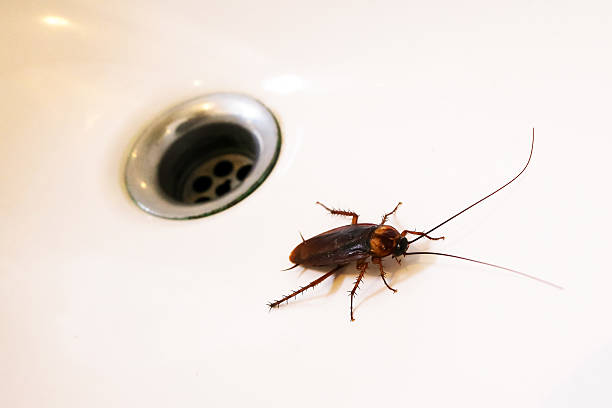
Cockroaches in the sink. The Cockroaches on the sink in the bathroom. cockroaches stock pictures, royalty-free photos & images

Cockroaches are among the most resilient pests, capable of surviving in various environments and posing serious risks to your health and home. Effective cockroach control requires a combination of preventive measures, safe extermination methods, and ongoing management strategies. Here’s your ultimate guide to addressing this common household pest.

Identifying the Problem: Understanding Cockroach Behavior

  • Nocturnal Activity: Cockroaches are most active at night and prefer dark, moist areas.
  • Diet: They are omnivorous, feeding on food scraps, grease, paper products, and even glue or soap.
  • Entry Points: Cracks in walls, gaps around windows/doors, drains, or pipes can serve as access points.

Knowing these factors can help you target their hiding places more effectively.

Preventive Measures for Cockroach Infestations

  1. Wipe down kitchen counters after meals.
  2. Regularly empty trash bins with tight-fitting lids.
  3. Vacuum carpets and mop floors frequently.
  4. Use caulk or weatherstripping around cracks, doors, and windows.
  5. Repair leaks or faulty plumbing that create moist environments ideal for roach colonies.
  6. Keep food in airtight containers.
  7. Avoid leaving pet food out overnight.
  8. Remove stacks of cardboard boxes or newspapers where cockroaches could hide.
  9. Declutter spaces such as basements or storage rooms.

Safe Methods for Eradicating Cockroaches

  • Use Natural Repellents: Diatomaceous earth or boric acid can be sprinkled near entry points as a low-toxicity option.
  • Baits & Traps: Commercial bait stations attract cockroaches while poisoning them gradually.
  • Gel Insecticides: Apply these in cracks/crevices where they typically travel but ensure children/pets cannot access treated areas.
Method Pros Cons
Natural Repellents Low toxicity; eco-friendly Slower results
Bait Stations Easy to use; targets hidden roaches May require multiple placements
Gel Insecticides Effective in small spaces Potential residue

Integrated Pest Management (IPM) Approach

  1. Combine sanitation practices with targeted pest treatments.
  2. Monitor for activity using sticky traps placed under sinks or near appliances.
  3. Rotate treatment methods periodically to prevent resistance-building among pests.

Effective cockroach control requires consistent effort and careful planning—but by combining preventive steps with safe eradication techniques like those outlined above, you can safeguard your home from these unwelcome invaders responsibly and efficiently.

Florida Pest Control: Understanding the Health Risks Cockroaches Pose to Your Home

Cockroaches are not just unpleasant to encounter; they pose significant health risks that can impact homeowners and their families. Understanding the dangers associated with cockroach infestations is crucial for maintaining a safe and healthy living environment.

Common Health Risks Associated with Cockroaches

  1. Cockroaches can spread bacteria like Salmonella, Escherichia coli (E. coli), and Staphylococcus aureus.
  2. These bacteria may lead to food poisoning, diarrhea, or gastrointestinal infections when transmitted via contaminated surfaces or food.
  3. Cockroach droppings, saliva, and shed body parts contain proteins that can trigger allergies in sensitive individuals.
  4. Symptoms include sneezing, watery eyes, nasal congestion, skin rashes, and asthma attacks.
  5. The allergens produced by cockroaches are particularly harmful to individuals with asthma.
  6. Prolonged exposure can worsen symptoms or even cause new cases of asthma in children.
  7. In some cases, cockroaches have been found carrying parasitic worms such as pinworms or hookworms. These parasites can infect humans through accidental contact or ingestion.

How Cockroach Infestations Contribute to the Spread of Diseases

Cockroaches thrive in unsanitary environments like garbage disposals, drains, and sewage systems where they come into contact with various pathogens. As they move across surfaces in your home—such as kitchen counters or dining areas—they deposit feces and microbes that can contaminate food sources.

Pathogen/Allergen Potential Illness/Reaction Source of Contamination
Salmonella Foodborne Illness Droppings on food/storage areas
Proteins in Saliva/Body Allergies & Asthma Contact with shed skin/dust particles
Parasitic Worms Digestive Issues Direct or indirect ingestion

Vulnerable Groups at Higher Risk

  • Children: Younger children often have underdeveloped immune systems and are more likely to be affected by allergens introduced by cockroach infestations.
  • Elderly Individuals: Aging adults may struggle with weakened immunity or preexisting respiratory issues.
  • People with Respiratory Conditions: Those suffering from chronic respiratory illnesses like asthma are at heightened risk for severe allergic reactions due to cockroach exposure.

Preventive Measures

  • Keep all kitchen surfaces clean and free of food debris.
  • Store food securely in airtight containers.
  • Seal cracks and crevices around doors, windows, pipes, or vents.
  • Dispose of garbage regularly using sealed trash bags.
  • Address leaks promptly as cockroaches depend on moisture for survival.

By understanding these health risks and taking proactive measures against infestation threats, you protect your household from potentially serious illnesses caused by these pests. Regular monitoring combined with professional pest control services offers an effective way to ensure long-term safety from cockroach-related dangers while maintaining a hygienic environment at home.

Exterminators in Florida: Protecting Your Home from Cockroaches and Health Risks

Cockroaches are more than just unsightly pests. They pose significant health risks that can affect the well-being of your household. Understanding these dangers is crucial for maintaining a safe and healthy living environment. This section explores the potential health issues caused by cockroach infestations and offers actionable insights into mitigating these risks.

https://palmbaypestcontrolflusa.weebly.com/

Allergies and Asthma Triggers

  • Skin reactions, such as rashes or hives.
  • Respiratory symptoms, including sneezing, coughing, and nasal congestion.
  • Asthma attacks, particularly in children or individuals with pre-existing respiratory conditions.

According to studies, exposure to cockroach allergens is one of the leading triggers of asthma symptoms in urban areas.

Spread of Bacteria and Pathogens

Cockroaches are known carriers of various bacteria, pathogens, and parasites. As they navigate through garbage, sewage systems, or decaying matter before entering homes, they pick up harmful microorganisms that can contaminate surfaces and food supplies.

Bacteria Associated Illnesses
Salmonella spp. Food poisoning (diarrhea, fever)
Escherichia coli (E. coli) Gastrointestinal infections
Staphylococcus aureus Skin infections and respiratory illnesses

If ingested through contaminated food or utensils, these pathogens can lead to serious illnesses such as foodborne diseases.

Risk of Food Contamination

  • They defecate on surfaces.
  • They regurgitate partially digested materials during feeding.
  • Their bodies leave behind a trail of microbes.

This behavior increases the risk of contamination in your household’s food supply. Consuming contaminated food may result in symptoms like stomach cramps, vomiting, diarrhea, or more severe gastrointestinal infections.

Parasite Transmission

In addition to bacterial threats, cockroaches may carry eggs from parasitic worms like tapeworms or roundworms on their bodies. While this is less common than bacterial transmission, it still poses a danger if cockroach-contaminated items come into contact with human hands or consumed foods.

Effective Measures to Address Health Risks

  1. Maintain hygiene: Clean floors regularly to eliminate crumbs and spills that attract pests.
  2. Seal entry points: Use caulk or weatherstripping to block cracks where cockroaches enter your home.
  3. Store food securely: Use airtight containers for dry goods and refrigerate perishables promptly.
  4. Dispose of waste properly: Empty trash bins frequently and ensure proper disposal methods are followed.
  5. Consider professional pest control services: If an infestation persists despite DIY efforts, licensed professionals can apply targeted treatment plans designed for long-term prevention.

By understanding the dangers posed by cockroaches—and taking proactive steps against infestations—you protect not just your home but also your family’s health from preventable threats associated with these resilient pests.

DIY vs. Professional Pest Removal Services in Florida: Key Reasons to Consider Expert Help

When faced with a cockroach infestation, deciding between DIY methods and hiring professional pest control services can be challenging. Both approaches come with their own pros and cons, but for long-term effectiveness and safety, professional intervention often proves to be superior. Here’s a breakdown of why expert help might be the right choice for your situation.

Limitations of DIY Cockroach Removal

  • Over-the-counter products like sprays, baits, or traps often fail to address the root cause of infestations.
  • Cockroaches develop resistance to certain chemicals over time, reducing the effectiveness of these products drastically.
  • In most cases, home remedies only target visible roaches but fail to eliminate eggs and hidden colonies.
  • DIY treatment is typically superficial and misses hard-to-reach nesting areas like inside walls or under appliances.
  • Mishandling pesticides can pose risks to humans and pets due to improper application or lack of protective equipment.
  • Many chemical treatments available for home use are not environmentally friendly.

Advantages of Professional Pest Control Services

Professional pest control experts bring experience, knowledge, and specialized tools that ensure effective cockroach eradication while promoting safety.

  1. Experts conduct a thorough property inspection to identify the extent of infestation and locate breeding grounds.
  2. Based on their findings, they tailor a pest control plan specific to your home’s needs rather than using one-size-fits-all treatments.
  3. Professionals have access to industry-grade pesticides that are more potent yet safer than store-bought options.
  4. They use integrated pest management (IPM) approaches that combine chemical treatments with other preventive measures such as sealing entry points or removing attractants.
  5. Licensed exterminators focus on eradicating not only active pests but also eggs and larvae through multiple methods such as baiting systems or targeted sprays.
  6. Many companies offer warranties or follow-up visits to ensure re-infestation does not occur.
  7. Rather than spending countless hours experimenting with ineffective DIY solutions, professionals handle everything efficiently for you.
  8. This option minimizes disruption in your day-to-day life by resolving infestations quicker.

Comparing Costs: DIY vs Professional

Aspect DIY Approach Professional Pest Control
Upfront Costs Lower (store-bought products) Higher (service fees)
Long-Term Costs Higher due to recurring infestations Lower—covers prevention as well
Effectiveness Limited Comprehensive
Safety Risky if handled incorrectly Safer with expert handling

When Should You Consider Calling Professionals?

  • Persistent sightings despite repeated treatments.
  • Presence of cockroach droppings in multiple areas.
  • Unpleasant odors associated with severe infestations.
  • Allergy symptoms like sneezing or skin irritation caused by cockroach allergens.

Hiring professional pest control services ensures peace of mind by addressing the problem at its source while protecting your health and property from further damage.
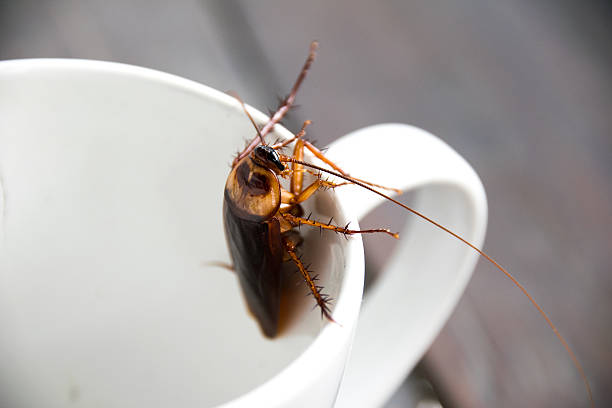
Close up cockroach in mouth white cup Close up cockroach in mouth white cup cockroaches stock pictures, royalty-free photos & images

Effective Florida Pest Control Service with Customized Treatment Plans for Long-Term Results

A one-size-fits-all approach rarely works when it comes to pest control, especially for dealing with persistent pests like cockroaches. Customized pest control treatment plans are essential to ensure long-term effectiveness by tailoring the strategy to your specific pest problem, home environment, and long-term goals. Here’s a comprehensive look at how personalized solutions make a difference.

Benefits of Customized Pest Control Plans

  1. Every infestation is different, as pests may vary in species, severity of infestation, and preferred habitats. Customized plans identify specific pest types and target them effectively.
  2. Tailored treatments minimize unnecessary use of chemicals by focusing on areas where pests are most active rather than applying blanket coverage.
  3. This approach is safer for families with children or pets.
  4. A customized plan is dynamic—it can adapt over time depending on how the infestation develops or recurs.
  5. Regular monitoring ensures that the treatment evolves with changing circumstances.
  6. Preventing future infestations requires addressing underlying causes such as entry points or environmental factors like humidity.
  7. Professionals tailor prevention strategies such as sealing cracks, optimizing ventilation, and setting perimeter traps based on your unique property layout.

Key Components of an Effective Plan

  • Inspection and Assessment
    A thorough inspection identifies the exact location of infestations as well as conditions that attract pests (e.g., moisture build-up or food residue).
  • Integrated Pest Management (IPM)
    IPM combines various control methods like biological measures, habitat modification, physical barriers, and chemical treatments for safe yet comprehensive pest eradication.
  • Regular Monitoring
    Continuous assessment helps track progress and determine whether adjustments are needed over time.
  • Education for Homeowners
    Teaching homeowners about best practices such as proper sanitation can complement professional efforts for consistent results.

Why Work With Professionals?

  • Access to advanced tools: Professionals use high-grade equipment and eco-friendly products unavailable over-the-counter.
  • Experience in identifying hidden infestations: Pests like cockroaches often hide in hard-to-reach areas that professionals are trained to locate.
  • Time efficiency: Customized plans save time by providing fast relief while laying groundwork for long-term protection.

By investing in a carefully designed treatment plan tailored to your specific needs, you can safeguard your home from recurring infestations while ensuring the health and safety of everyone in it.

The Long-Term Benefits of Professional Pest Removal Services

Choosing professional pest control services can offer numerous advantages that extend beyond merely addressing immediate infestations. By leveraging the expertise and resources of a trained pest control provider, homeowners and business owners can enjoy long-term benefits that ensure a safer, cleaner, and pest-free environment. Below, we explore the key long-term advantages of hiring professional pest control services.

1. Effective Identification and Targeted Treatment

Professional pest control specialists are trained to identify specific pest species and the underlying causes of infestations. This enables them to apply targeted treatments tailored to effectively eliminate pests while minimizing risks to your home or workplace.

  • Expert Identification: Professionals can distinguish different species (e.g., German cockroaches vs. American cockroaches) requiring unique treatment approaches.
  • Customized Solutions: Treatments are tailored to address specific problems rather than using generic solutions that may have limited efficacy.

2. Prevention of Recurring Infestations

One of the key benefits of professional services is their focus on long-term prevention strategies rather than temporary fixes.

  • Sealing Entry Points: Experts identify and seal cracks, crevices, and other entry points pests use to invade your property.

Recognizing the Importance of Early Detection in Preventing Pest Infestations

Early detection plays a vital role in managing and preventing pest infestations. By identifying potential issues before they escalate, homeowners and businesses can save time, money, and resources while ensuring a healthier living or working environment. Below, we explore the importance of early detection and provide actionable steps to help you stay ahead of pest problems.

Why Early Detection is Critical

  • Minimized Damage: Many pests cause structural damage to buildings or harm to furniture once their populations grow. Early intervention mitigates risks to property.
  • Cost Savings: Addressing infestations in their early stages requires fewer resources compared to dealing with a full-blown problem.
  • Health Protection: Pests are carriers of diseases. Detecting their presence early reduces potential exposure to allergens, bacteria, or other health hazards.
  • Easier Control: An infestation at its inception is easier to manage through targeted methods.

Key Signs Indicating an Infestation

  1. Unusual Noises: Scratching sounds from walls or floors may indicate rodents or other pests.
  2. Droppings: Look for fecal matter from insects or rodents on countertops, floors, or near food sources.
  3. Physical Damage: Chewed wires, gnawed woodwork, or holes in walls are strong indicators of pests such as rats or termites.
  4. Unpleasant Odors: Strong musty smells could point toward cockroach infestations or deceased pests.
  5. Tracks and Smudges: Rodents often leave grease marks along walls due to repeated movement.

Steps for Effective Early Detection

  • Conduct regular inspections in areas prone to pests (kitchens, basements, attics).
  • Seal cracks and gaps in walls and foundations that could allow entry points for insects or rodents.
  • Store food items securely in airtight containers to prevent attracting pests.
  • Monitor damp areas like bathrooms and basements where moisture fosters pest breeding grounds.
Inspection Checklist for Common Areas
Area Signs to Check Tools Required
Kitchen & Pantry Food crumbs, droppings near cabinets Flashlight
Attic Nesting materials like shredded paper Ladder
Basement Mold growth (indicates moisture), insect activity Moisture meter
Exterior Walls & Doors Cracks/gaps along foundation Caulk/sealant

Professional Inspections: An Added Layer of Protection

  • Specialists use advanced tools like thermal imaging cameras and moisture meters for detecting hidden nests.
  • They offer expert advice on preventive measures tailored to your specific property needs.

By combining vigilance with professional expertise when necessary, you can effectively protect your space from escalating pest infestations through timely detection and action.

How Professional Expertise Can Transform Your Approach to Pest Control

Comprehensive Pest Identification

Pest control experts are trained to accurately identify the type of pest causing issues, which is crucial for determining the most effective treatment strategy. Misidentifying pests can lead to wasted time and resources on ineffective treatments.

Key benefits of professional identification include:
– Correctly distinguishing between similar-looking pests (e.g., ants vs termites).
– Identifying specific nesting or breeding areas.
– Understanding seasonal patterns that may influence infestation cycles.

Tailored Treatment Plans

Unlike generic DIY solutions, professionals develop customized treatment plans based on your unique situation. These plans consider factors such as the severity of the infestation, property layout, and environmental risks.

A typical professional treatment plan may include:
Initial Assessment: A thorough inspection of your property to pinpoint entry points, infestation levels, and potential damage.
Targeted Solutions: Selection of pesticides or non-toxic alternatives based on safety requirements and effectiveness against specific pests.
Follow-Up Services: Regular monitoring to ensure complete eradication and prevent reinfestation.

Treatment Step DIY Approach Professional Expertise
Inspection Limited by lack of knowledge/tools In-depth assessment using advanced tools
Treatment Selection Over-the-counter products Scientifically tested methods
Monitoring Irregular or absent Scheduled follow-ups for long-term success

Safe Application of Pesticides

Improper handling of pesticides can pose health risks to humans, pets, and the environment. Professionals are trained in safe application techniques while adhering to regulatory guidelines. They prioritize eco-friendly options wherever possible.

Some advantages include:
– Reduced exposure to harmful chemicals through controlled application.
– Knowledge of which products are safe for children or pets.
– Proper disposal of leftover chemicals or containers.

Prevention Strategies for Long-Term Results

Professional pest control extends beyond immediate eradication by implementing preventive measures that protect your property in the long run.

Key prevention strategies may include:
1. Sealing cracks and crevices where pests commonly enter.
2. Installing physical barriers like mesh screens over vents or drains. 3. Providing expert advice on proper waste management practices. 4. Removing potential nesting sites around the property (e.g., cluttered storage areas).

By addressing root causes rather than just visible symptoms, professionals help you maintain a pest-free environment with reduced risk of recurring infestations.

Cost-Efficiency Over Time

Although hiring a professional may seem more expensive upfront compared to DIY methods, it often proves more cost-effective in the long term by avoiding repeated treatments or structural repairs caused by undetected infestations.

When considering professional services’ value:
– They minimize trial-and-error approaches common with DIY efforts. – Early intervention prevents severe damage that could result in costly repairs. – Many companies offer warranties or satisfaction guarantees for added peace of mind.

Investing in professional expertise ensures a strategic approach that prioritizes effectiveness, safety, and longevity over quick fixes—making it an essential component for any successful pest management plan.


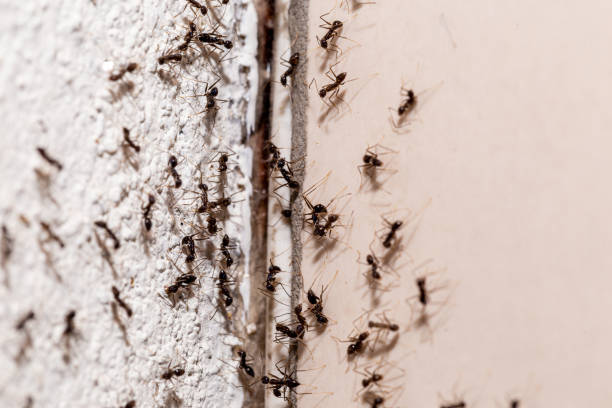
bugs on the wall, coming out through crack in the wall, sweet ant infestation indoors bugs on the wall, coming out through crack in the wall, sweet ant infestation indoors ant infestation stock pictures, royalty-free photos & images

Ant infestations are a common household problem that can range from minor inconveniences to significant disruptions. Understanding the basics of ant behavior, their attraction to homes, and effective ways to eliminate them can help you protect your home from these pests.

Why Do Ants Invade Homes?

Ants are social insects that live in colonies and work together to meet their survival needs.

  1. Residual crumbs or spills on countertops, floors, or hidden areas.
  2. Sweet foods like sugar, syrups, fruits, or baked goods.
  3. Protein-based foods such as meat scraps or pet food.
  4. Leaky pipes under sinks or appliances.
  5. Standing water in bathrooms or kitchens.
  6. Warm areas with easy access to food and water.
  7. Entry points such as cracks in walls, windowsills, or door frames.

Common Signs of an Ant Infestation

Identifying an infestation early is critical for effective control.

  • Trail of ants:A visible line leading between a food source and the nest.
  • Discarded wings:Winged ants (known as swarmers) may leave behind wings near windowsills or entry points.
  • Piles of dirt:Certain species like carpenter ants can create piles of sawdust-like material near wooden structures they damage.

Steps to Address an Ant Infestation

  1. Keep all food sealed in airtight containers.
  2. Clean up spills immediately and maintain general kitchen hygiene.
  3. Seal cracks, crevices, and other potential entry points around your home.
  4. Non-Toxic Remedies Use natural deterrents that repel ants without harmful chemicals:
  5. Vinegar spray: Mix equal parts vinegar and water; spray along ant trails.
  6. Lemon juice: Wipe down surfaces with lemon juice to disrupt scent trails.
  7. Chemical Treatments (When Necessary)
    If natural remedies prove insufficient:
  8. Apply bait traps: These allow worker ants to carry poison back to the colony.
  9. Use residual sprays around baseboards or entry points for long-term protection.
  10. Targeting the Nest Locating and treating the nest ensures complete removal of the colony:
  11. Follow ant trails to locate nesting sites indoors or outdoors.
  12. Pour boiling water directly into outdoor nests if applicable.
Method Effectiveness Safety Level Best For
Vinegar Spray Moderate High (Non-Toxic) Small infestations & natural solutions
Bait Traps High Moderate Addressing entire colonies
Residual Sprays High Low (Toxic) Persistent infestations

Long-Term Maintenance

After eliminating an infestation, take steps to prevent future occurrences: – Regularly inspect your home for signs of new activity. – Store trash bins tightly sealed both indoors and outdoors. – Monitor high-risk areas such as kitchens and basements regularly.

Effectively managing ant infestations starts with understanding why they occur and implementing proactive solutions tailored for your environment. Persistent efforts will help maintain a pest-free space over time without unnecessary chemicals or disruption.

Key Factors That Influence the Cost of Exterminators in Florida for Ant Pest Control Services

When dealing with an ant infestation, cost is often a significant factor in deciding how to address the issue. The expense of professional pest control services can vary widely, depending on several key factors. Understanding these elements can help you make informed decisions about managing your ant problem effectively and within budget.

Key Factors Influencing the Cost of Ant Pest Control

  1. Different ant species require specific treatment methods.
  2. For example:
    | Ant Species | Typical Treatment Methods | Cost Implication |
    |————————|—————————————————-|——————————–|
    | Carpenter Ants | Use of bait traps, sprays, and wood treatment | Can be higher due to targeted efforts in affected wood structures. | | Fire Ants | Chemical treatments, mound management | Moderate as it may involve outdoor treatments over larger areas. | | Common House Ants | Baits, insecticide sprays | Typically lower costs as general options are effective.
  3. A small infestation may only require minimal treatment or DIY solutions, whereas a large-scale invasion can demand multiple sessions and advanced techniques.
  4. Heavily infested areas may incur higher costs for labor and materials due to repeated applications.
  5. Larger properties increase the amount of area needing inspection and treatment.
  6. Complex property layouts (e. g. , multiple floors or outdoor spaces) may require additional work to ensure all hiding spots are treated.
  7. Some infestations need only one-time extermination services.
  8. Recurring issues might require monthly or quarterly visits, increasing the overall cost.
  9. Urban areas may have higher service rates due to increased demand for pest control professionals.
  10. Hard-to-reach infestation sites (e. g. , inside walls or basements) might add labor costs for specialized equipment or extended work hours.
  11. Natural or eco-friendly solutions often cost more than conventional chemical treatments.
  12. Heat treatments or specialized equipment such as fumigation tents can also elevate expenses.
  13. Highly experienced pest control companies may charge premium fees but often provide more reliable results.
  14. Local providers could offer lower pricing but might lack access to advanced tools or long-term guarantees.

What Homeowners Should Consider

  • Budget vs Effectiveness:Is a less expensive DIY solution viable for your situation, or is professional expertise essential?
  • Guarantees:Look for companies offering warranties on their work—this ensures long-term effectiveness without additional charges if problems persist within a specified timeframe.
  • Safety Concerns:If you have pets, children, or environmental sensitivities, prioritize pest control methods that minimize toxicity risks.
  • Reputation:Research reviews and testimonials to ensure you hire credible providers with proven success rates.

Ways To Save on Costs

  • Choose bundled services that address multiple pests if your property has broader concerns like termites or rodents alongside ants.
  • Perform regular maintenance—clean food sources, seal cracks in walls—to prevent recurring infestations requiring professional help.
  • Request quotes from at least three different companies to compare pricing structures thoroughly before making a decision.

By understanding these factors and considerations ahead of time, homeowners can make smarter choices that balance cost with effective pest management strategies for ant infestations.

Effective Pest Removal Services in Florida: DIY Ant Traps and Natural Home Remedies

Ant infestations can be a persistent problem in many households, but not every situation requires professional pest control or chemical solutions. For those seeking natural and budget-friendly ways to manage ant issues, DIY traps and home remedies can provide effective results. Below are some proven strategies to address ant problems using readily available materials.

https://westpalmbeachpestcontrolfl.weebly.com/

Understanding Ant Behavior for Effective DIY Solutions

Before implementing any remedies, it’s crucial to understand how ants behave:
Ant trails: Ants leave a pheromone trail to guide others to food sources. Breaking this trail is critical for long-term success.
Food preferences: Different species may be attracted to sweets, proteins, or grease. Tailor your bait accordingly.

Popular DIY Ant Traps

Creating your own ant traps is an efficient way to target ants while keeping harmful chemicals out of your home.

  1. Ingredients: 1/2 cup sugar, 1 tablespoon borax, 1/2 cup warm water.
  2. Mix the ingredients until dissolved. Soak cotton balls in the mixture and place them near ant trails. The sugar attracts the ants while borax disrupts their digestive system, killing them gradually.
  3. Ingredients: 1 tablespoon peanut butter, 1/4 teaspoon boric acid (or borax).
  4. Combine ingredients into a paste-like texture. Place small amounts on pieces of cardboard near entry points or nests.
  5. Ingredients: Equal parts honey and white vinegar with a small amount of liquid dish soap added (optional).
  6. Pour the solution into shallow dishes or lids near infested areas; it attracts ants but prevents escape.
Trap Type Key Ingredient Best For Notes
Sugar & Borax Sugar Sweet-loving ants Keep away from pets/children
Peanut Butter & Boric Acid Peanut butter Protein-loving ants Use sparingly due to toxicity
Honey Vinegar Honey General-purpose Effective for multiple species

Home Remedies Without Traps

  • Vinegar Spray: Mix equal parts vinegar and water in a spray bottle and apply directly along windowsills, doorways, and existing trails.
  • Lemon Juice: The acidity disrupts ant pheromone trails; squeeze lemon juice around entry points.
  • Cinnamon Powder: Sprinkle cinnamon near cracks or crevices as a deterrent.
  • Diatomaceous Earth (Food Grade): Spread around infested areas; it dehydrates and kills ants on contact while remaining safe for humans and pets.
  • Chalk Lines: Draw chalk lines where ants are entering; they avoid crossing calcium carbonate in chalk.

Tips for Long-Term Prevention

While traps and remedies work well for immediate issues, prevention is key: – Seal cracks around windows, doors, and foundations with caulk. – Store food in airtight containers. – Wipe surfaces regularly with soapy water to remove crumbs and residues. – Fix leaks since moisture attracts certain species like carpenter ants.

By combining these practical tips with effective homemade solutions, you can handle minor ant infestations naturally without resorting to harsh chemicals or costly interventions.

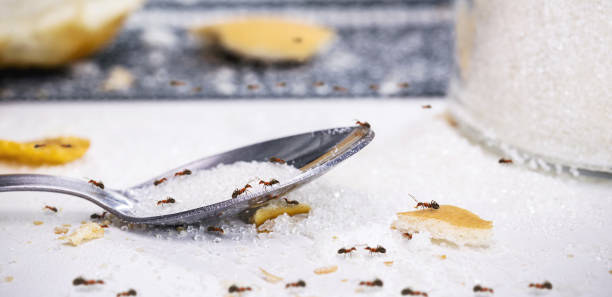
ants on sugar spoon on the table, insect infestation in the kitchen ants on sugar spoon on the table, insect infestation in the kitchen ant infestation stock pictures, royalty-free photos & images

Effective Florida Pest Control Service: Fire Ants vs Regular Ants Solutions That Work

Ant infestations can become a significant issue if not addressed properly, especially when dealing with fire ants and regular ants. While both types of ants can invade homes, yards, and other properties, their behavior, nesting habits, and level of threat differ significantly. This guide explores the differences between fire ants and regular ants and outlines proven methods to effectively control each type.

Understanding the Differences Between Fire Ants and Regular Ants

  1. Reddish-brown in color.
  2. Known for their aggressive behavior when disturbed.
  3. Deliver painful stings that can cause allergic reactions in some individuals.
  4. Build large mounds in open areas such as yards or fields.
  5. Range in color from black to brown.
  6. Less aggressive compared to fire ants; they rarely bite or sting humans.
  7. Typically forage for food indoors or outdoors without building extensive mounds.
  8. More likely to invade kitchens and pantries in search of sugary or greasy foods.
Feature Fire Ants Regular Ants
Color Reddish-brown Black, brown, or dark yellow
Behavior Aggressive Passive
Nesting Sites Large outdoor mounds Indoors/outdoors near food
Threat Level Painful stings Minimal (nuisance only)

Proven Control Methods for Fire Ants

  • Broadcast Baiting: This involves spreading a slow-acting bait around the infestation area. Worker ants carry the bait back to their colony, ultimately eliminating the queen.
  • Individual Mound Treatments: Use insecticides labeled specifically for fire ants to treat visible mounds directly.
  • Broadcast bait across the infected area.
  • Treat specific mounds to prevent re-colonization.
  • Boiling Water Treatment (for small areas): Pouring boiling water into the mound can kill fire ant colonies; however, this approach may require multiple applications.

Proven Control Methods for Regular Ants

  • Inspect doors, windowsills, pipes, and cracks where ants might enter.
  • Use caulk or weather stripping to seal gaps.
  • Sprinkle diatomaceous earth near entry points.
  • Use vinegar sprays as an organic deterrent around common trails.
  • Place non-toxic bait stations near high traffic areas such as kitchens or pantries.
  • Ensure baits contain attractants like sugar combined with slow-acting poison such as borax.
  • Clean up spills immediately and store food in airtight containers.
  • Take out trash regularly since leftover food waste attracts most species of regular ants.

When Professional Help Is Necessary

For severe infestations of either type of ant—especially in cases where DIY solutions are ineffective—it is advisable to consult pest control professionals who use advanced techniques like: – Non-repellent insecticides that target colonies at their source. – Specialized treatments designed for long-term prevention.

Understanding these strategies ensures efficient management tailored to either fire ant or regular ant issues while reducing future occurrences effectively.

Choosing the Best Pest Control Company for Effective Ant Management

Choosing the right professional ant control service can save time, money, and stress by ensuring that the ant infestation in your home or business is addressed effectively. With so many pest control providers available, knowing what factors to prioritize can help you make an informed decision. Below are key considerations to keep in mind when selecting a professional ant control service.

Ensuring Credibility and Certification in Pest Removal

  1. Verify that the company is licensed to operate in your state or region.
  2. Check if their technicians are certified pest management professionals (PMPs).
  3. Look for companies affiliated with reputable organizations, such as the National Pest Management Association (NPMA).
  4. Seek recommendations from friends, family, or online reviews.
  5. Ensure that the company specializes in handling ant infestations specifically.
  6. Ask how long they have been in business and their experience with similar cases.

Evaluating Methods Used

  • Eco-Friendly Solutions: Many companies now offer environmentally safe approaches that limit exposure to harmful chemicals.
  • Integrated Pest Management (IPM): This strategy combines multiple techniques such as baiting, sealing entry points, and monitoring rather than relying solely on pesticides.
  • Targeted Treatments: Inquire whether treatments are specific to the type of ants infesting your property (e. g. , carpenter ants vs fire ants).
Type of Service Features Best For
Basic Chemical Treatment Traditional pesticide use Fast eradication but less eco-friendly
Eco-Friendly Treatment Natural/organic solutions Families with children & pets concerned about toxicity
Comprehensive IPM Plan Combination of methods including prevention & monitoring Long-term solutions & sustainable practices

Requesting a Detailed Inspection and Quote

  1. A reliable company will perform a thorough examination of areas where ants are most active.
  2. They should identify not only visible infestations but also hidden colonies.
  3. Obtain a detailed estimate outlining all charges upfront.
  4. Be wary of companies offering unusually low prices; these may cut corners or provide subpar services.
  5. Request strategies tailored to your specific infestation problem rather than one-size-fits-all solutions.

Ensuring Post-Treatment Support

  • Regular inspections post-treatment ensure that ants do not return.
  • Some companies offer warranties or guarantees where additional treatments come at no extra cost if required within a fixed period.
  • Guidance on preventive actions you can take between visits will help maintain results.

Questions to Ask Before Hiring

  1. What type of chemicals or products will you use? Are they safe for children and pets?
  2. How long will it take to resolve the infestation? Will multiple visits be required?
  3. What steps will be taken to prevent future infestations?
  4. Do you offer any warranties or guarantees on services provided?

By thoroughly researching and comparing options based on these criteria, you can confidently select an ant control service provider equipped to meet your needs effectively while prioritizing safety and sustainability.

Carpenter Ant Identification and Control: A Comprehensive Guide

Identifying and effectively controlling carpenter ant infestations is crucial to protecting your property.

Identifying Carpenter Ants

Proper identification is the first step in addressing a potential infestation.

  • Size: Carpenter ants are larger compared to most ant species, ranging between 6 to 12 millimeters in length.
  • Color: They are typically black but can also appear reddish-brown depending on the specific species.
  • Body Structure: Look for a distinct narrow waist and bent antennae, which distinguish them from other insects like termites.
  • Wings (in reproductive ants): Winged carpenter ants can be confused with termites during their swarming season; however, their wings differ in size (front wings are longer than back wings) and lack the equal-length characteristic of termite wings.
  • Telltale Signs: Presence of wood shavings or frass near wooden structures, faint rustling noises inside walls, or visible galleries within wooden components can all indicate carpenter ant activity.

Common Areas to Inspect

Carpenter ants prefer moist or decaying wood for nesting purposes.

  1. Wooden siding or window frames exposed to excess moisture
  2. Crawl spaces with poor ventilation
  3. Roof eaves and gutters clogged with debris
  4. Landscaping features such as tree stumps or wooden fences near your home

Methods for Controlling Carpenter Ants

Once identified, control measures must be implemented promptly to minimize damage and eradicate the infestation effectively.

1. Eliminate Moisture Sources
  • Repair leaks in plumbing or roofing that contribute to damp conditions.
  • Use dehumidifiers in areas prone to high humidity (e. g. , basements).
  • Improve ventilation around attics, crawl spaces, or other enclosed areas.
2. Remove Attractants & Repair Damaged Wood
  • Seal cracks around doors and windows that serve as entry points.
  • Trim branches or vegetation touching exterior walls that provide access routes.
  • Replace decayed wood components immediately to prevent nesting opportunities.
3. Use Effective Baits & Insecticides
Type of Treatment Description
Baiting Systems Use bait stations containing slow-acting toxins that allow worker ants to bring poison back to colonies for distribution among nestmates, including queens.
Residual Insecticides Apply non-repellent sprays along suspected trails/entry points ensuring long-term protection against reinfestation.
Dust Treatments Inject pesticide dust into wall voids where carpenter ants have built nests.

It is essential only licensed products designed specifically for indoor/outdoor pest control use should apply here.

House ants, walking around the house, red ant on the floor eating dirt or sugar, insect pest problems inside the apartment House ants, walking around the house, red ant on the floor eating dirt or sugar, insect pest problems inside the apartment ant infestation stock pictures, royalty-free photos & images

What Kills Ants Instantly?

When dealing with ant infestations, immediate elimination is often a priority. There are several options available for killing ants instantly, ranging from chemical solutions to natural remedies. Each method has its advantages and drawbacks, so understanding the best choices can help you address an infestation quickly and efficiently.

Chemical Solutions

Chemical ant killers are highly effective for instant results. These products are specifically designed to eliminate ants on contact or within minutes.

  • Active Ingredients: Pyrethroids or other synthetic compounds
  • Pros: Quick action, kills ants on contact
  • Cons: Can be harmful to pets, children, or the environment when misused
  • Example Products: Raid Ant & Roach Spray, Ortho Home Defense
  • Active Ingredients: Hydramethylnon or Fipronil
  • Mode of Action: Lures ants to consume poison that works within hours
  • Ideal For: Dealing with colonies while providing visible immediate effects on individual ants
Chemical Solution Speed Safety Concerns Coverage Area Price Range
Raid Ant Spray Instant Toxic if inhaled/ingested Small areas (local use) $5-$10
Ortho Home Defense Bait Stations <24 hours Moderate risk if tampered with by pets/kids (Use responsibly) Indoor/outdoor use nearby trails. Approx–>


a group of flies sitting on top of a table

Aspiring pest control technicians must equip themselves with a solid foundation of knowledge to excel in their field. The pest management industry requires a combination of technical expertise, problem-solving skills, and an understanding of safety protocols to address infestations effectively. Below is an overview of the crucial areas every new pest control technician should focus on to build competence and confidence in their role.

Understanding Pest Biology and Behavior

  • Rodents (rats, mice)
  • Insects (ants, termites, cockroaches, bed bugs)
  • Wildlife (squirrels, birds)
  • Lifecycle Stages: Knowing a pest’s lifecycle (egg, larva/nymph, adult) is essential for targeting the most vulnerable stages during treatment.
  • Environmental Preferences: For example:
  • Cockroaches thrive in warm, moist environments.
  • Termites are attracted to wood and areas with high humidity levels.

Regulations and Compliance Standards

Being knowledgeable about these can help technicians avoid legal penalties while maintaining ethical practices.

Identifying Signs of Infestation

  • Droppings or urine stains (e.g., rodent droppings).
  • Gnaw marks on furniture or wiring (common with rodents).
  • Mud tubes near foundations (termite activity).
  • Cast skins or fecal spots around entry points or nests.

Keeping detailed notes during inspections ensures precise tracking over time.

Communication Skills for Client Interaction

  1. Listening Actively: Understand the client’s description of the issue before jumping into solutions.
  2. Educating Clients: Share preventive measures they can implement after treatments.
  3. Providing Transparent Explanations: Clarify risks associated with infestations and how treatments work without using overly technical jargon.

Developing Problem-Solving Skills

  • Customizing treatment plans based on inspection findings.
  • Combining physical barriers with biological solutions where necessary.
  • Monitoring progress post-treatment to ensure effectiveness.

Acquiring these essential skills lays a strong groundwork for success as a pest control professional while fostering trust among clients and colleagues alike in this competitive industry.

Foundational Tips for Aspiring Pest Control Company Owners

Starting a career in pest control requires more than just an understanding of pests and their habitats. Success in this field depends on a combination of technical knowledge, practical skills, and professional behavior. Below are seven foundational tips to help aspiring pest control professionals excel in their careers.

Effective Pest Removal Services in Florida: Building Strong Knowledge of Pests

Understanding the behavior, biology, and lifecycle of various pests is critical. This knowledge helps you identify infestations accurately and recommend targeted solutions.

  • Learn about common household pests such as ants, termites, cockroaches, and rodents.
  • Study the environmental factors that attract pests.
  • Familiarize yourself with region-specific pests to better serve your local clientele.

Stay Informed About Florida Pest Control Service Regulations

Compliance with local laws and regulations is essential in pest control services. Ensure you are aware of:
– Licensing requirements in your area.
– Restrictions on pesticide use or storage.
– Environmental guidelines designed to protect non-target species.

Ensure Safe Pest Removal at All Times

  • Wear personal protective equipment (PPE) such as gloves, goggles, and respirators.
  • Follow label instructions when handling pesticides.
  • Regularly inspect tools to ensure they are functional and well-maintained.

1. Build Communication Skills

  • Explain treatment plans clearly to build trust.
  • Educate customers on prevention techniques for long-term results.
  • Listen actively to address client concerns or questions.

2. Master the Use of Essential Equipment

Tool Purpose Example Tasks
Inspection Mirror Inspect hard-to-see areas Checking behind furniture
Bait Stations Attract pests for targeted removal Rodent or insect control
Dusters Apply insecticides into small crevices Treating wall voids or baseboards

Regular practice and training will enhance your ability to use these tools effectively.

3. Commit to Ongoing Education

  • Attend workshops or conferences on new products or techniques.
  • Obtain certifications that enhance your expertise.
  • Subscribe to industry journals to stay updated on trends.

4. Cultivate a Professional Attitude

  • Arrive on time for appointments and maintain a neat appearance.
  • Be courteous when interacting with customers.
  • Always aim for transparency regarding pricing and service expectations.

By following these foundational tips, aspiring pest control professionals can establish themselves as reliable experts while contributing effectively to the industry’s standards of excellence.

Ensuring Safety and Communication with Florida Pest Control

Pest control is a profession that demands meticulous attention to safety and effective communication. By prioritizing these aspects, pest control technicians can ensure better outcomes, maintain compliance with regulations, and foster positive relationships with clients. Below is an overview of why safety and communication are vital in this field, along with practical tips for integrating them into daily operations.

https://coralspringspestcontrolflus.weebly.com/

The Role of Safety in Pest Control

Safety is a cornerstone of pest management due to the use of chemicals, equipment, and procedures that can pose risks if not handled properly. Technicians must adhere to strict safety guidelines to protect themselves, clients, and the environment.

Key Safety Practices for Pest Control:

  • Use Personal Protective Equipment (PPE): Always wear gear such as gloves, masks, goggles, and protective clothing when handling pesticides or working in hazardous environments.
  • Follow Label Instructions: Read chemical labels thoroughly to understand proper usage rates, application methods, and any specific precautions.
  • Ensure Proper Ventilation: When applying chemicals indoors or in confined spaces, ensure adequate airflow to prevent inhalation of toxic fumes.
  • Regular Equipment Maintenance: Inspect sprayers, foggers, bait stations, and other tools regularly to avoid malfunctions that could cause accidental exposure or contamination.
  • Storage Protocols: Store pesticides securely in labeled containers away from other materials like food or water sources.
Safety Guidelines Reason
Wear PPE Reduces risk of chemical exposure
Check equipment regularly Prevents potential leaks or misapplications
Store products securely Protects non-target organisms and prevents accidental misuse

The Importance of Communication

Effective communication builds trust between pest control professionals and their clients. It ensures expectations are clear while providing an opportunity to educate clients about prevention strategies.

Tips for Effective Communication:

  1. Active Listening: Pay close attention to client concerns about pests or specific problems they’ve observed.
  2. Clear Explanations: Simplify technical jargon when explaining treatment plans so they’re easy for clients to understand.
  3. Educational Value: Teach clients basic prevention methods such as sealing cracks or maintaining cleanliness to reduce recurring infestations.
  4. Transparency About Risks: Be honest about potential health risks associated with pests or pesticide use without causing unnecessary alarm.
  5. Follow-Up Procedures: Inform clients about post-treatment steps they should take (e.g., avoiding treated areas) as well as how long results may take to manifest.

Bridging Safety and Communication

The intersection of safety and communication lies in keeping all parties informed about the precautions taken during pest control activities. Clients should be made aware of safety measures implemented during treatments—this not only reassures them but also demonstrates professionalism.

Example: Pre-Treatment Client Briefing

  1. Explain the type of pests being targeted.
  2. Provide details about the products being used (e.g., low-toxicity options).
  3. Discuss necessary preparations (e.g., vacating premises during certain treatments).
  4. Outline how long it’s safe before re-entering treated areas.

By focusing on these core principles—prioritizing safety protocols while fostering clear client communication—pest control technicians can enhance both workplace efficiency and customer satisfaction levels effectively.

Pest Control Exterminator Man Spraying Termite Pesticide In Office

Understanding the Importance of Safety and Communication in Pest Control

Safety and effective communication are two pillars that form the foundation of professional pest control. A successful pest control technician must not only ensure the safety of themselves, their clients, and the environment but also establish clear communication to build trust and provide reliable service.

The Role of Safety in Pest Control

  • Gloves
  • Respirators or masks
  • Safety goggles
  • Coveralls or protective clothing
  • Understand pesticide labels, including signal words like “Caution,” “Warning,” or “Danger.”
  • Follow proper mixing instructions to avoid overapplication or harmful exposure.
  • Store chemicals securely away from unauthorized access.
  • Inspect properties for specific hazards such as structural vulnerabilities or electrical risks.
  • Identify areas where traps or chemicals may endanger pets or children.

By following these practices, technicians can reduce risks while ensuring compliance with local regulations.

Communication: Building Trust with Clients

In addition to technical skills, strong communication is a hallmark of an effective pest control expert. Clear interactions help educate clients about pest management processes, set expectations, and foster confidence.

Key Elements of Effective Communication:
  1. Active Listening: Understand client concerns by listening attentively before offering solutions.
  2. Clear Explanations: Avoid using overly technical jargon when discussing treatment plans. Simplify explanations so clients can grasp the scope and process.
  3. Transparency: Be upfront about costs, timelines, potential outcomes, and limitations of treatments.
Examples of Information to Communicate:
Topic Example
Treatment Details “We will apply a liquid pesticide along baseboards to target ants.”
Safety Precautions “Please avoid this treated area for at least three hours.”
Long-Term Prevention Tips “Seal cracks around windows to prevent future infestations.”

Integrating Safety with Client Communication

Combining safety protocols with clear communication reinforces professionalism. For instance: – Notify clients in advance about necessary preparations (e.g., moving furniture before treatment). – Clearly communicate post-treatment instructions to ensure their cooperation in maintaining safe conditions.

By fostering open dialogue while operating safely, technicians can deliver results that exceed client expectations while protecting everyone involved.

Comprehensive Guide to the Top 10 Tools Every Pest Control Expert Should Use

Effective pest control requires a combination of knowledge, strategy, and the right tools. For pest control professionals to provide safe and efficient services, equipping themselves with essential tools is critical. Below is a detailed guide to the top 10 tools that every pest control expert should have in their arsenal.

1. Inspection Flashlight

A reliable flashlight is indispensable for inspecting dark areas like basements, crawl spaces, and attics where pests commonly hide.

Key Features to Look For:
– High luminosity (at least 200 lumens)
– Durable and weather-resistant material
– Adjustable focus for spotting small pests

2. Bait Stations

Bait stations are essential for controlling rodents and insects discreetly while ensuring safety for non-target species.

Benefits of Bait Stations:
– Minimizes risk of accidental exposure to pets or children
– Provides a secure space for bait placement to attract pests

3. Pest Traps

Traps help monitor pest activity and reduce their population without using chemicals.

Common Trap Types:
– Glue traps for insects or small rodents
– Snap traps for mice or rats
– Pheromone traps for specific insect species

4. Personal Protective Equipment (PPE)

Safety comes first in pest control work due to exposure risks from chemicals or allergens.

Essential PPE Includes:
– Gloves (nitrile or rubber)
– Respirators with appropriate filters
– Safety goggles
– Coveralls

5. Monitoring Devices

Monitoring devices track pest movement and identify infestation levels over time.

Examples include:
– Insect monitors like sticky cards
– Rodent monitoring units for tracking high rodent activity zones

These tools offer valuable data when planning targeted treatments.

6. Dust Applicators

A dust applicator enables precise application of dust-based pesticides into cracks, crevices, or voids where other spraying methods might not reach effectively.

Features to Consider:
– Adjustable nozzle tip
– Easy-to-handle design

7. Foamers

Foamers are used for applying foam-based solutions in hard-to-reach areas such as wall voids or under sinks.

Advantages of Foam Application:
– Expands into spaces inaccessible by liquid sprays
– Ensures consistent pesticide distribution

8. Moisture Meter

Since pests like termites thrive in moisture-rich environments, moisture meters help determine potential problem areas in wooden structures or walls.

How It Works: 1. Measures water content within surfaces 2. Pinpoints damp zones where pests may breed

Use this tool during inspections before recommending treatment plans.

9. Mobile Software Tools & Apps

Modern pest control heavily relies on technology-driven solutions that enhance efficiency through data management and route planning.

Popular Features Include: – Real-time scheduling – Digital inspection reports – Inventory tracking

Software ensures seamless communication with clients while optimizing service delivery timelines.

By utilizing these essential tools effectively, professionals can deliver safer, more strategic pest management solutions tailored to their clients’ needs while achieving long-term results.


Identifying bugs in your home is an essential first step toward addressing potential pest issues. Proper identification allows for targeted solutions that are both effective and environmentally responsible. Below, we’ll outline seven effective tips to help you spot and identify household pests.

Tips for Effective Florida Pest Control in Common Problem Areas

Certain areas of your home are more prone to pest infestations due to their warmth, moisture, or food access.
Kitchens:Check under sinks, inside cabinets, and behind appliances for signs of ants, cockroaches, or pantry pests.
Bathrooms:Look near drains and moisture-prone areas for silverfish or drain flies.
Basements and attics:These spaces may harbor spiders, termites, or rodents due to their dark and undisturbed nature.

Identifying Physical Signs of Pests: Insights from Exterminators in Florida

Physical evidence can be the most obvious indicator of a pest issue.
Shed skins or exoskeletons(e. g. , from cockroaches or bed bugs).
Droppings from rodents, roaches, or other insects.
Chew marks on food packaging or furniture caused by rodents.

Use a flashlight during inspections to check hidden corners for these signs.

Certain pests create telltale noises that can help with identification:
– Scratching sounds in walls (indicative of rodents).
– Buzzing noises (possibly from insects like bees or wasps).
– Clicking sounds in wooden structures (a potential sign of termites).

Keeping an ear out during quieter times can help you pinpoint specific pest activity.

Effective Pest Removal: Use Sticky Traps as Monitoring Tools

Sticky traps can serve as excellent tools for monitoring active infestations by capturing live pests such as spiders or roaches over time:
1. Place traps near suspected problem areas (kitchens, bathrooms).
2. Check traps periodically for captured insects to determine the severity of activity. 3. Cross-reference the captured pests with reliable guides to aid identification.

This approach enables early detection before infestations grow unmanageable.

Unusual smells often indicate pest problems

The Importance of Proper Bug Identification to Control Household Infestations

Proper identification of household pests is a critical first step in addressing any pest infestation effectively. Without accurate identification, you may apply the wrong strategies, wasting time and resources while allowing the problem to worsen. Understanding why bug identification matters and how it aids in pest control can help you make informed decisions and maintain a healthier living environment.

https://pompanobeachpestcontrol.weebly.com

Why Bug Identification is Crucial

  1. Different pests require different treatments.
    • Bed bugs often require heat treatments or specialized extermination methods.
    • Termites could involve chemical barriers or bait systems.
      Misidentifying a pest can lead to ineffective treatment efforts that fail to eliminate the problem.
  2. Early and accurate identification prevents infestations from escalating by enabling swift action with appropriate measures.
    • Rodents can transmit hantavirus or salmonella through their droppings.
    • Dust mites are a common trigger for asthma and allergies.
      Identifying these pests quickly reduces health risks for your household.
  3. Misdiagnosed infestations often result in unnecessary expenditures on products, services, or repairs that fail to address the root cause.

How Bug Identification Helps Control

Pest Type Common Hiding Spots Effective Management Strategies
Ants Kitchens, pantries, window sills Sealing entry points; using ant baits
Termites Wood structures, foundations Professional treatments; termite barriers
Bed Bugs Mattresses, furniture crevices Heat treatment; vacuuming infested areas
Cockroaches Cabinets, drains, dark corners Gel baits; sanitation improvements
Rodents Attics, basements, behind walls Traps; sealing gaps around pipes and vents

By following clear management strategies tailored to specific pests’ habits and behaviors, homeowners can achieve better control over infestations.

Best Practices for Identifying Pests

  • Physical Characteristics:Note size, shape, color patterns, wings (if present), antennae length/structure.
  • Behavior Patterns:Observe movement (e. g. , nocturnal vs diurnal activity) or feeding habits.
  • Droppings & Tracks:Identify droppings’ size/shape or footprints left behind.
  • Damage Evidence:Look for chewed materials (wood/wires), grease marks along walls from rodents, etc.

In addition to personal observations:
– Use online databases or resources provided by professional pest control organizations. – Consult with experts if you’re unable to identify the pest independently.

Proper bug identification plays an essential role in managing household infestations effectively while safeguarding both your property and health from further harm caused by neglectful approaches or misdiagnoses.

Tracking Signs of Pest Activity and Damage: A Comprehensive Guide

Monitoring pest activity and identifying signs of damage in your home is essential for early intervention and effective pest management. Pests often leave subtle traces that, if recognized early, can prevent extensive damage to your property and minimize health risks. Here’s a comprehensive guide to help you track signs of pest activity and damage in your living space.

Common Signs of Pest Activity

Different pests exhibit distinct behaviors and leave behind various types of evidence.

  • Droppings: Rodents, cockroaches, and other pests often leave droppings in areas where they are active.
  • Small, pellet-shaped droppings may indicate rodents.
  • Tiny black specks resembling ground pepper might suggest cockroach activity.
  • Gnaw Marks: Look for chewed furniture, baseboards, or wires—common indicators of rodent infestations.
  • Insects like cockroaches shed their outer shells as they grow.
  • Termites may leave behind discarded wings when swarms establish new colonies.
  • A musty odor could indicate a large infestation of roaches.
  • Ammonia-like smells may point to rodent urine.

Recognizing Structural Damage

Certain pests can compromise the structural integrity of your home over time.

Pest Type Damage Indicators Common Areas Affected
Termites Hollow wood sounds; mud tubes; frass Wooden furniture; beams; door frames
Carpenter Ants Wood shavings near holes Wooden structures; window sills
Rodents Chewed wiring; insulation disruption Attics; crawl spaces
Powderpost Beetles Fine sawdust (powder) near holes Hardwood floors; wooden furniture

Audible Cues

  • Scratching or Scuttling Noises: May indicate rodents moving around inside walls or ceilings.
  • Buzzing Sounds: Could suggest the presence of flying insects like wasps or bees nesting nearby.

Inspecting Indoor Areas

  1. Look for food packaging with small tears or holes.
  2. Check under sinks where leaks might attract pests.
  3. Inspect around pipes for moisture accumulation (a draw for silverfish or roaches).
  4. Examine dark corners for spider webs, dead insects, or rodent nests.
  5. Pay attention to gaps around doors, windows, and vents where pests could enter.

Outdoor Inspection Tips

Pests often originate from outside environments before entering homes.

  • Garden beds near the foundation for ant trails or termites.
  • Woodpiles stored close to the house (ideal habitats for rodents or termites).
  • Standing water sources which may attract mosquitoes or other insects.

Preventive Measures After Spotting Damage

  1. Sealing cracks and gaps around windows, doors, plumbing lines, and vents.
  2. Storing food in airtight containers to reduce access points.
  3. Fixing leaky pipes and eliminating moisture-prone conditions.
  4. Contacting professional pest control services if infestations persist.

Tracking these signs systematically not only helps detect infestations early but also ensures better protection for your property against unwanted invaders over time.

Tracking Signs of Pest Activity and Damage: A Comprehensive Guide

Properly identifying pest activity and damage is crucial for effective pest control. Hidden infestations can grow rapidly if left unchecked, leading to property damage, health risks, and costly remediation. This guide provides a breakdown of key signs to help homeowners track pest activity and minimize the risks associated with infestations.

Common Indicators of Pest Activity

Understanding the common signs of pest presence is the first step in early detection.

  • Droppings: Small fecal pellets are often the most visible sign of rodents, cockroaches, or other pests.
  • Gnaw Marks: Rodents tend to chew on wooden furniture, wires, or food packaging.
  • Chewed Wires or Insulation: A potential indicator of mice or rats nesting within walls.
  • Discarded Wings: Termites and ants often shed their wings during certain stages of their lifecycle.
  • Unusual Odors: A musty smell could indicate cockroach infestations; ammonia-like odors suggest rodent activity.
  • Nest-Like Structures: Rodents may build nests using chewed materials like paper or fabric.

Identifying Physical Damage

Pests often leave behind physical damage that can compromise structures or belongings.

Type of Damage Potential Cause Common Areas Affected
Chewed furniture Rodents Wood furniture, baseboards
Holes in walls/floors Termites or rodents Drywall, wooden surfaces
Damaged food packets Mice, rats, or pantry pests Kitchens, pantries
Stains on surfaces Bed bugs Mattresses, upholstery

Recognizing Sound Clues

Pests often make characteristic noises that can alert you to their presence.

  • Scratching noises in walls (common with rodents)
  • Clicking sounds from termite colonies
  • Buzzing sounds from flying insects like wasps or bees
  • Scuttling noises during nighttime hours (indicating nocturnal pests)

Evaluating Structural Changes

  1. Warped Wood– Termite damage often causes warping in floors and window frames.
  2. Sagging Ceilings– Indicates long-term pest intrusion from termites or rodents weakening structural integrity.
  3. Cracks in Foundation– Entry points for insects like ants.

Visual Examination Checklist

Performing a thorough visual inspection is an effective way to track pest activity.

  1. Check dark corners and crevices for spider webs or insect nests.
  2. Inspect behind large appliances for droppings or shed skin (common with cockroaches).
  3. Examine outdoor areas near foundations for tunnels used by termites or burrowing pests.

By assessing these factors systematically and taking preventive measures promptly, homeowners can effectively tackle potential infestations before they escalate into major problems.

Using Environmental Clues to Detect Hidden Pest Problems in Your Home

Detecting hidden pest problems in your home can be challenging, especially when pests are adept at concealing themselves. By observing environmental clues and changes in your home, you can identify potential infestations early and take appropriate action. Here are several methods to use environmental cues effectively.

Common Environmental Clues of Pest Activity

  1. Certain pests emit distinct smells.
    • Rodents often produce a musky or ammonia-like odor.
    • Bed bugs can create a sweet, almost almond-like scent in severe infestations.
    • Rodents: Pellet-shaped droppings around food storage areas or along baseboards.
    • Cockroaches: Small, pepper-like specks near hiding spots like cracks or crevices.
    • Termites: Wood-colored frass (excrement) resembling sawdust near wooden structures.
    • Gnaw marks on furniture, wires, or walls caused by rodents.
    • Chewed food packaging, left open on shelves or countertops.
    • Small holes in walls or floors from termites or carpenter ants.
  2. Unexplained Sounds
    Pests often make noises during their active hours:
  3. Scratching sounds within walls might indicate rodents.
  4. Clicking noises from wooden areas could signal termite activity.
  5. Buzzing sounds near windows may point to a wasp or bee infestation.

Behavior of Pets as Indicators

Sometimes pets detect pests before humans do. Watch for unusual behavior such as: – Cats intensely pawing at walls where rodents might be hiding. – Dogs barking persistently toward specific corners of the house where pests might be nesting.

Preventive Action Based on Environmental Clues

Once you detect environmental indicators of hidden pest problems, consider these preventive measures:
– Seal gaps around windows, doors, and vents with caulking material.
– Fix water leaks and reduce moisture to deter insects like cockroaches and silverfish.
– Regularly vacuum carpets and clean cluttered spaces where pests could hide.

By paying attention to these environmental signals and combining them with regular monitoring routines, you can effectively identify hidden infestations before they escalate into larger issues.

Comparing Pest Evidence with Expert Resources for Accurate Identification

Accurate identification of pests in your home is a critical step in managing infestations effectively. Misidentifying the pest species can lead to ineffective treatments and prolonged problems. To ensure precise identification, it’s essential to compare the evidence of pest activity in your home with reliable expert resources. Below is a guide on how to leverage these resources for successful pest identification.

Why Accurate Pest Identification Matters

Properly identifying the type of pest allows you to: – Choose the most effective control measures specific to that pest. – Prevent unnecessary use of hazardous chemicals. – Understand the root cause of the infestation and take long-term preventive actions.

Steps for Comparing Pest Evidence with Expert Resources

  1. Look for signs such as droppings, shed skins, damaged materials (e. g. , wood, fabric), or live insects.
  2. Take clear photographs or gather samples if possible (e. g. , dead insects, portions of damaged items).
  3. Note where you found evidence: kitchen, basement, attic, etc.
  4. Record the time of day when pests are active—this can point to nocturnal or diurnal behavior.
  5. Identify environmental factors such as moisture levels or food sources nearby.
  6. Consult Authoritative Pest Guides Use reputable resources such as:
  7. Field Guides: Books like Integrated Pest Management Field Guideoffer visual charts and descriptions.
  8. Government Websites:Local agricultural or environmental agencies often publish pest management guides tailored to your region.
  9. University Extensions:Many university extension services provide detailed insect and rodent identification keys online.
  10. Compare Patterns and Characteristics Match collected evidence against known characteristics:
  11. Shape, size, coloration of insects/rodents.
  12. Behavior patterns such as burrowing or flying.
  13. Types of materials damaged (e. g. , paper for silverfish vs wood for termites).
  14. Seek Expert Validation If you’re uncertain after conducting your own research:
  15. Contact a licensed pest control professional who specializes in identification.
  16. Share photos or samples with entomologists at local museums or universities.

Benefits of Using Expert Resources

By relying on verified data and tools for pest comparison: – You avoid costly trial-and-error treatments caused by misidentification. – Your household can address infestations more quickly and efficiently while minimizing health risks.

Comparing observed evidence with expert references provides a structured way to identify pests accurately. This approach not only saves time but also ensures that any subsequent control efforts are targeted and effective.