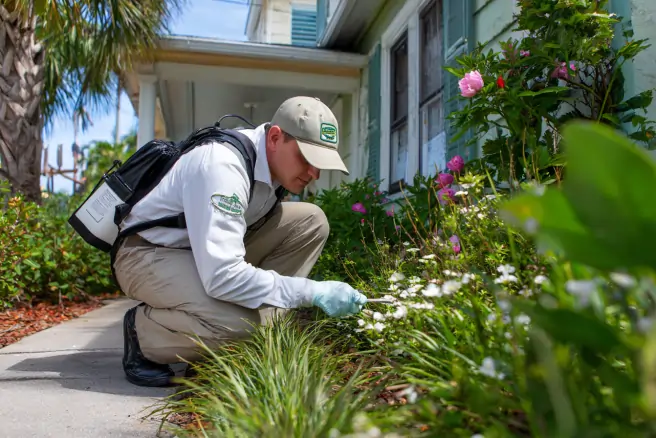
Identifying bugs in your home is an essential first step toward addressing potential pest issues. Proper identification allows for targeted solutions that are both effective and environmentally responsible. Below, we’ll outline seven effective tips to help you spot and identify household pests.
Tips for Effective Florida Pest Control in Common Problem Areas
Certain areas of your home are more prone to pest infestations due to their warmth, moisture, or food access.
– Kitchens:Check under sinks, inside cabinets, and behind appliances for signs of ants, cockroaches, or pantry pests.
– Bathrooms:Look near drains and moisture-prone areas for silverfish or drain flies.
– Basements and attics:These spaces may harbor spiders, termites, or rodents due to their dark and undisturbed nature.
Identifying Physical Signs of Pests: Insights from Exterminators in Florida
Physical evidence can be the most obvious indicator of a pest issue.
– Shed skins or exoskeletons(e. g. , from cockroaches or bed bugs).
– Droppings from rodents, roaches, or other insects.
– Chew marks on food packaging or furniture caused by rodents.
Use a flashlight during inspections to check hidden corners for these signs.
Certain pests create telltale noises that can help with identification:
– Scratching sounds in walls (indicative of rodents).
– Buzzing noises (possibly from insects like bees or wasps).
– Clicking sounds in wooden structures (a potential sign of termites).
Keeping an ear out during quieter times can help you pinpoint specific pest activity.
Effective Pest Removal: Use Sticky Traps as Monitoring Tools
Sticky traps can serve as excellent tools for monitoring active infestations by capturing live pests such as spiders or roaches over time:
1. Place traps near suspected problem areas (kitchens, bathrooms).
2. Check traps periodically for captured insects to determine the severity of activity. 3. Cross-reference the captured pests with reliable guides to aid identification.
This approach enables early detection before infestations grow unmanageable.
Unusual smells often indicate pest problems
The Importance of Proper Bug Identification to Control Household Infestations
Proper identification of household pests is a critical first step in addressing any pest infestation effectively. Without accurate identification, you may apply the wrong strategies, wasting time and resources while allowing the problem to worsen. Understanding why bug identification matters and how it aids in pest control can help you make informed decisions and maintain a healthier living environment.
https://pompanobeachpestcontrol.weebly.com
Why Bug Identification is Crucial
- Different pests require different treatments.
- Bed bugs often require heat treatments or specialized extermination methods.
- Termites could involve chemical barriers or bait systems.
Misidentifying a pest can lead to ineffective treatment efforts that fail to eliminate the problem.
- Early and accurate identification prevents infestations from escalating by enabling swift action with appropriate measures.
- Rodents can transmit hantavirus or salmonella through their droppings.
- Dust mites are a common trigger for asthma and allergies.
Identifying these pests quickly reduces health risks for your household.
- Misdiagnosed infestations often result in unnecessary expenditures on products, services, or repairs that fail to address the root cause.
How Bug Identification Helps Control
| Pest Type | Common Hiding Spots | Effective Management Strategies |
| Ants | Kitchens, pantries, window sills | Sealing entry points; using ant baits |
| Termites | Wood structures, foundations | Professional treatments; termite barriers |
| Bed Bugs | Mattresses, furniture crevices | Heat treatment; vacuuming infested areas |
| Cockroaches | Cabinets, drains, dark corners | Gel baits; sanitation improvements |
| Rodents | Attics, basements, behind walls | Traps; sealing gaps around pipes and vents |
By following clear management strategies tailored to specific pests’ habits and behaviors, homeowners can achieve better control over infestations.
Best Practices for Identifying Pests
- Physical Characteristics:Note size, shape, color patterns, wings (if present), antennae length/structure.
- Behavior Patterns:Observe movement (e. g. , nocturnal vs diurnal activity) or feeding habits.
- Droppings & Tracks:Identify droppings’ size/shape or footprints left behind.
- Damage Evidence:Look for chewed materials (wood/wires), grease marks along walls from rodents, etc.
In addition to personal observations:
– Use online databases or resources provided by professional pest control organizations. – Consult with experts if you’re unable to identify the pest independently.
Proper bug identification plays an essential role in managing household infestations effectively while safeguarding both your property and health from further harm caused by neglectful approaches or misdiagnoses.
Tracking Signs of Pest Activity and Damage: A Comprehensive Guide
Monitoring pest activity and identifying signs of damage in your home is essential for early intervention and effective pest management. Pests often leave subtle traces that, if recognized early, can prevent extensive damage to your property and minimize health risks. Here’s a comprehensive guide to help you track signs of pest activity and damage in your living space.
Common Signs of Pest Activity
Different pests exhibit distinct behaviors and leave behind various types of evidence.
- Droppings: Rodents, cockroaches, and other pests often leave droppings in areas where they are active.
- Small, pellet-shaped droppings may indicate rodents.
- Tiny black specks resembling ground pepper might suggest cockroach activity.
- Gnaw Marks: Look for chewed furniture, baseboards, or wires—common indicators of rodent infestations.
- Insects like cockroaches shed their outer shells as they grow.
- Termites may leave behind discarded wings when swarms establish new colonies.
- A musty odor could indicate a large infestation of roaches.
- Ammonia-like smells may point to rodent urine.
Recognizing Structural Damage
Certain pests can compromise the structural integrity of your home over time.
| Pest Type | Damage Indicators | Common Areas Affected |
| Termites | Hollow wood sounds; mud tubes; frass | Wooden furniture; beams; door frames |
| Carpenter Ants | Wood shavings near holes | Wooden structures; window sills |
| Rodents | Chewed wiring; insulation disruption | Attics; crawl spaces |
| Powderpost Beetles | Fine sawdust (powder) near holes | Hardwood floors; wooden furniture |
Audible Cues
- Scratching or Scuttling Noises: May indicate rodents moving around inside walls or ceilings.
- Buzzing Sounds: Could suggest the presence of flying insects like wasps or bees nesting nearby.
Inspecting Indoor Areas
- Look for food packaging with small tears or holes.
- Check under sinks where leaks might attract pests.
- Inspect around pipes for moisture accumulation (a draw for silverfish or roaches).
- Examine dark corners for spider webs, dead insects, or rodent nests.
- Pay attention to gaps around doors, windows, and vents where pests could enter.
Outdoor Inspection Tips
Pests often originate from outside environments before entering homes.
- Garden beds near the foundation for ant trails or termites.
- Woodpiles stored close to the house (ideal habitats for rodents or termites).
- Standing water sources which may attract mosquitoes or other insects.
Preventive Measures After Spotting Damage
- Sealing cracks and gaps around windows, doors, plumbing lines, and vents.
- Storing food in airtight containers to reduce access points.
- Fixing leaky pipes and eliminating moisture-prone conditions.
- Contacting professional pest control services if infestations persist.
Tracking these signs systematically not only helps detect infestations early but also ensures better protection for your property against unwanted invaders over time.
Tracking Signs of Pest Activity and Damage: A Comprehensive Guide
Properly identifying pest activity and damage is crucial for effective pest control. Hidden infestations can grow rapidly if left unchecked, leading to property damage, health risks, and costly remediation. This guide provides a breakdown of key signs to help homeowners track pest activity and minimize the risks associated with infestations.
Common Indicators of Pest Activity
Understanding the common signs of pest presence is the first step in early detection.
- Droppings: Small fecal pellets are often the most visible sign of rodents, cockroaches, or other pests.
- Gnaw Marks: Rodents tend to chew on wooden furniture, wires, or food packaging.
- Chewed Wires or Insulation: A potential indicator of mice or rats nesting within walls.
- Discarded Wings: Termites and ants often shed their wings during certain stages of their lifecycle.
- Unusual Odors: A musty smell could indicate cockroach infestations; ammonia-like odors suggest rodent activity.
- Nest-Like Structures: Rodents may build nests using chewed materials like paper or fabric.
Identifying Physical Damage
Pests often leave behind physical damage that can compromise structures or belongings.
| Type of Damage | Potential Cause | Common Areas Affected |
| Chewed furniture | Rodents | Wood furniture, baseboards |
| Holes in walls/floors | Termites or rodents | Drywall, wooden surfaces |
| Damaged food packets | Mice, rats, or pantry pests | Kitchens, pantries |
| Stains on surfaces | Bed bugs | Mattresses, upholstery |
Recognizing Sound Clues
Pests often make characteristic noises that can alert you to their presence.
- Scratching noises in walls (common with rodents)
- Clicking sounds from termite colonies
- Buzzing sounds from flying insects like wasps or bees
- Scuttling noises during nighttime hours (indicating nocturnal pests)
Evaluating Structural Changes
- Warped Wood– Termite damage often causes warping in floors and window frames.
- Sagging Ceilings– Indicates long-term pest intrusion from termites or rodents weakening structural integrity.
- Cracks in Foundation– Entry points for insects like ants.
Visual Examination Checklist
Performing a thorough visual inspection is an effective way to track pest activity.
- Check dark corners and crevices for spider webs or insect nests.
- Inspect behind large appliances for droppings or shed skin (common with cockroaches).
- Examine outdoor areas near foundations for tunnels used by termites or burrowing pests.
By assessing these factors systematically and taking preventive measures promptly, homeowners can effectively tackle potential infestations before they escalate into major problems.
Using Environmental Clues to Detect Hidden Pest Problems in Your Home
Detecting hidden pest problems in your home can be challenging, especially when pests are adept at concealing themselves. By observing environmental clues and changes in your home, you can identify potential infestations early and take appropriate action. Here are several methods to use environmental cues effectively.
Common Environmental Clues of Pest Activity
- Certain pests emit distinct smells.
- Rodents often produce a musky or ammonia-like odor.
- Bed bugs can create a sweet, almost almond-like scent in severe infestations.
- Rodents: Pellet-shaped droppings around food storage areas or along baseboards.
- Cockroaches: Small, pepper-like specks near hiding spots like cracks or crevices.
- Termites: Wood-colored frass (excrement) resembling sawdust near wooden structures.
- Gnaw marks on furniture, wires, or walls caused by rodents.
- Chewed food packaging, left open on shelves or countertops.
- Small holes in walls or floors from termites or carpenter ants.
- Unexplained Sounds
Pests often make noises during their active hours: - Scratching sounds within walls might indicate rodents.
- Clicking noises from wooden areas could signal termite activity.
- Buzzing sounds near windows may point to a wasp or bee infestation.
Behavior of Pets as Indicators
Sometimes pets detect pests before humans do. Watch for unusual behavior such as: – Cats intensely pawing at walls where rodents might be hiding. – Dogs barking persistently toward specific corners of the house where pests might be nesting.
Preventive Action Based on Environmental Clues
Once you detect environmental indicators of hidden pest problems, consider these preventive measures:
– Seal gaps around windows, doors, and vents with caulking material.
– Fix water leaks and reduce moisture to deter insects like cockroaches and silverfish.
– Regularly vacuum carpets and clean cluttered spaces where pests could hide.
By paying attention to these environmental signals and combining them with regular monitoring routines, you can effectively identify hidden infestations before they escalate into larger issues.
Comparing Pest Evidence with Expert Resources for Accurate Identification
Accurate identification of pests in your home is a critical step in managing infestations effectively. Misidentifying the pest species can lead to ineffective treatments and prolonged problems. To ensure precise identification, it’s essential to compare the evidence of pest activity in your home with reliable expert resources. Below is a guide on how to leverage these resources for successful pest identification.
Why Accurate Pest Identification Matters
Properly identifying the type of pest allows you to: – Choose the most effective control measures specific to that pest. – Prevent unnecessary use of hazardous chemicals. – Understand the root cause of the infestation and take long-term preventive actions.
Steps for Comparing Pest Evidence with Expert Resources
- Look for signs such as droppings, shed skins, damaged materials (e. g. , wood, fabric), or live insects.
- Take clear photographs or gather samples if possible (e. g. , dead insects, portions of damaged items).
- Note where you found evidence: kitchen, basement, attic, etc.
- Record the time of day when pests are active—this can point to nocturnal or diurnal behavior.
- Identify environmental factors such as moisture levels or food sources nearby.
- Consult Authoritative Pest Guides Use reputable resources such as:
- Field Guides: Books like Integrated Pest Management Field Guideoffer visual charts and descriptions.
- Government Websites:Local agricultural or environmental agencies often publish pest management guides tailored to your region.
- University Extensions:Many university extension services provide detailed insect and rodent identification keys online.
- Compare Patterns and Characteristics Match collected evidence against known characteristics:
- Shape, size, coloration of insects/rodents.
- Behavior patterns such as burrowing or flying.
- Types of materials damaged (e. g. , paper for silverfish vs wood for termites).
- Seek Expert Validation If you’re uncertain after conducting your own research:
- Contact a licensed pest control professional who specializes in identification.
- Share photos or samples with entomologists at local museums or universities.
Benefits of Using Expert Resources
By relying on verified data and tools for pest comparison: – You avoid costly trial-and-error treatments caused by misidentification. – Your household can address infestations more quickly and efficiently while minimizing health risks.
Comparing observed evidence with expert references provides a structured way to identify pests accurately. This approach not only saves time but also ensures that any subsequent control efforts are targeted and effective.
- Effective Tips from a Pest Control Company on Identifying Bugs in Your Home
- Essential Knowledge Every New Pest Control Technician in Exterminators in Florida Must Have
- Florida Pest Control: Understanding the Basics of Ant Infestations and How to Address Them
- Your Ultimate Guide to Choosing a Safe and Effective Pest Control Company for Cockroach Problems
- Comprehensive Guide to Florida Pest Control Costs and Factors Affecting Pricing
- Finding the Right Pest Control Company to Protect Your Home